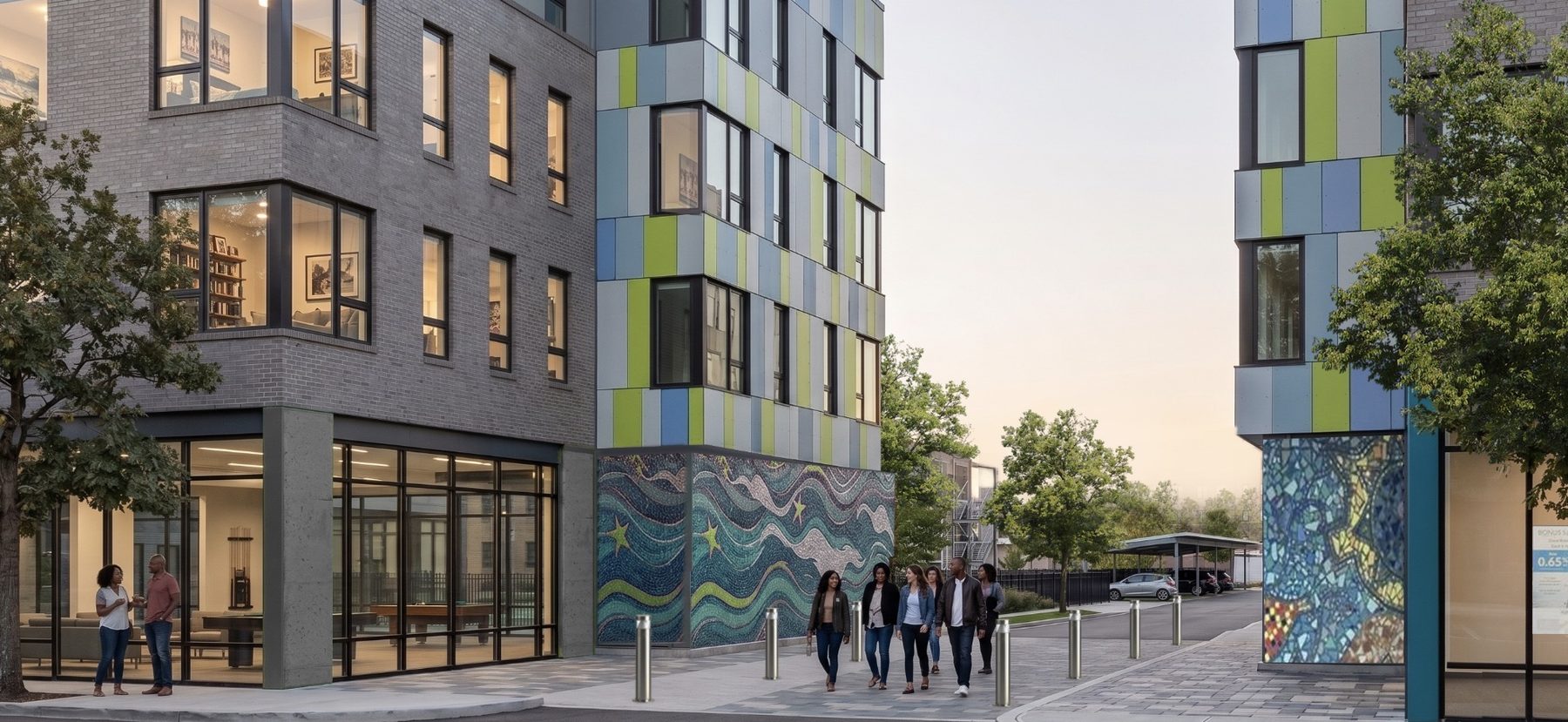
Our Daily Bread Food Pantry
The pantry relocates from the Circle campus into purpose-built space, expanding well beyond the 900 residents a month it reaches now.
Washington-Pine Opportunity Site
Circle's vision for affordable housing in Austin: 111 homes, a ground floor built for the neighborhood, and seven families holding the deed.
new homes across three parcels
affordable rental apartments
including 18 permanent supportive housing units
homes for ownership in seven three-flats
acres of city-owned land vacant for years
47 parcels in total
The proposal
In June 2026 Circle submitted a proposal to the City of Chicago’s Department of Planning and Development, responding to its ChiBlockBuilder request for a mixed-income development on the Washington-Pine site. Circle is lead developer and sponsor, in a joint venture with Preservation of Affordable Housing.
The site is 2.6 acres of city-owned land one block east of our campus. It has sat vacant for years, which is an absence not just of housing but of neighbors, activity, and street life.
Circle has called Austin home for more than fifty years. We do not parachute in with a program and leave.
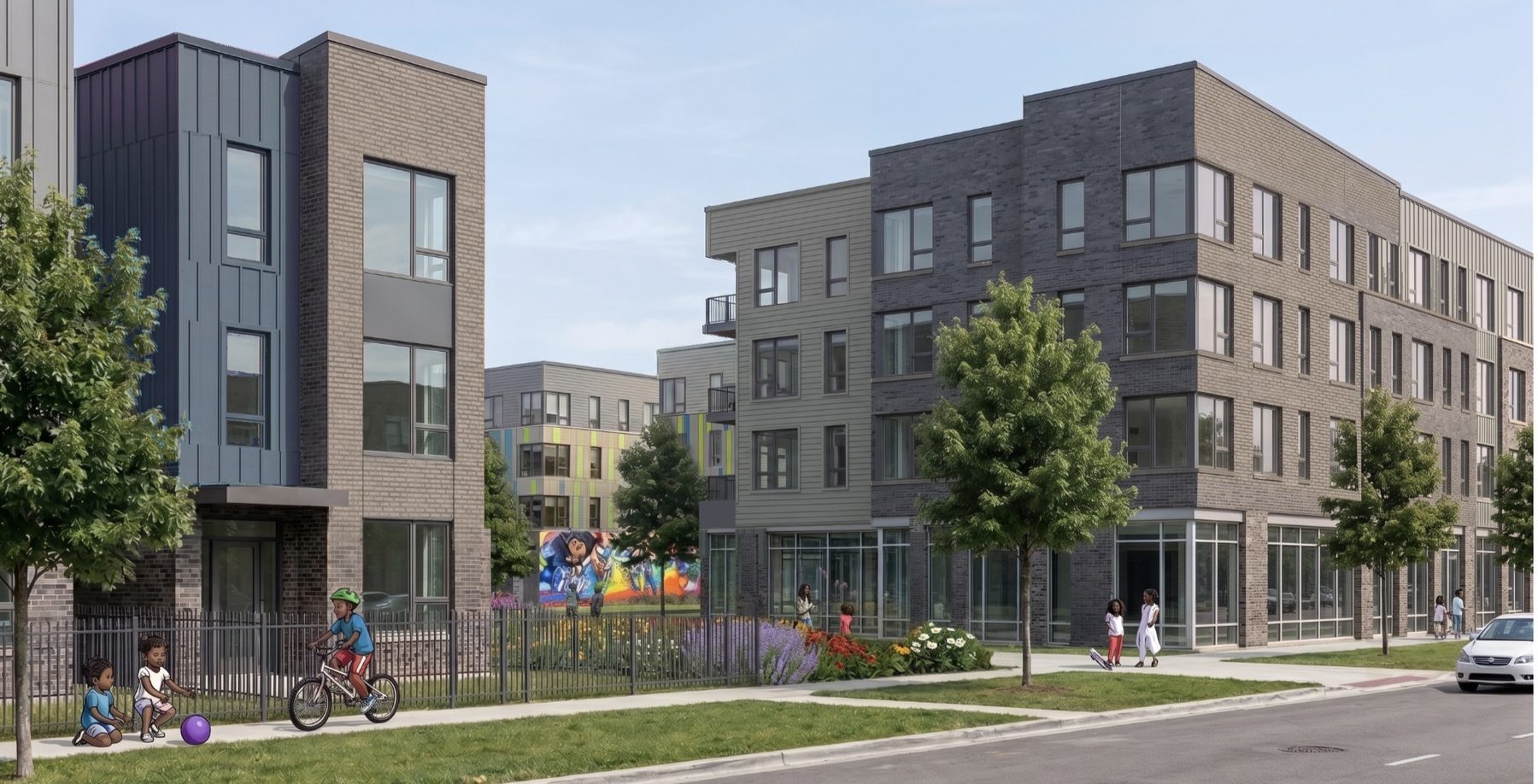
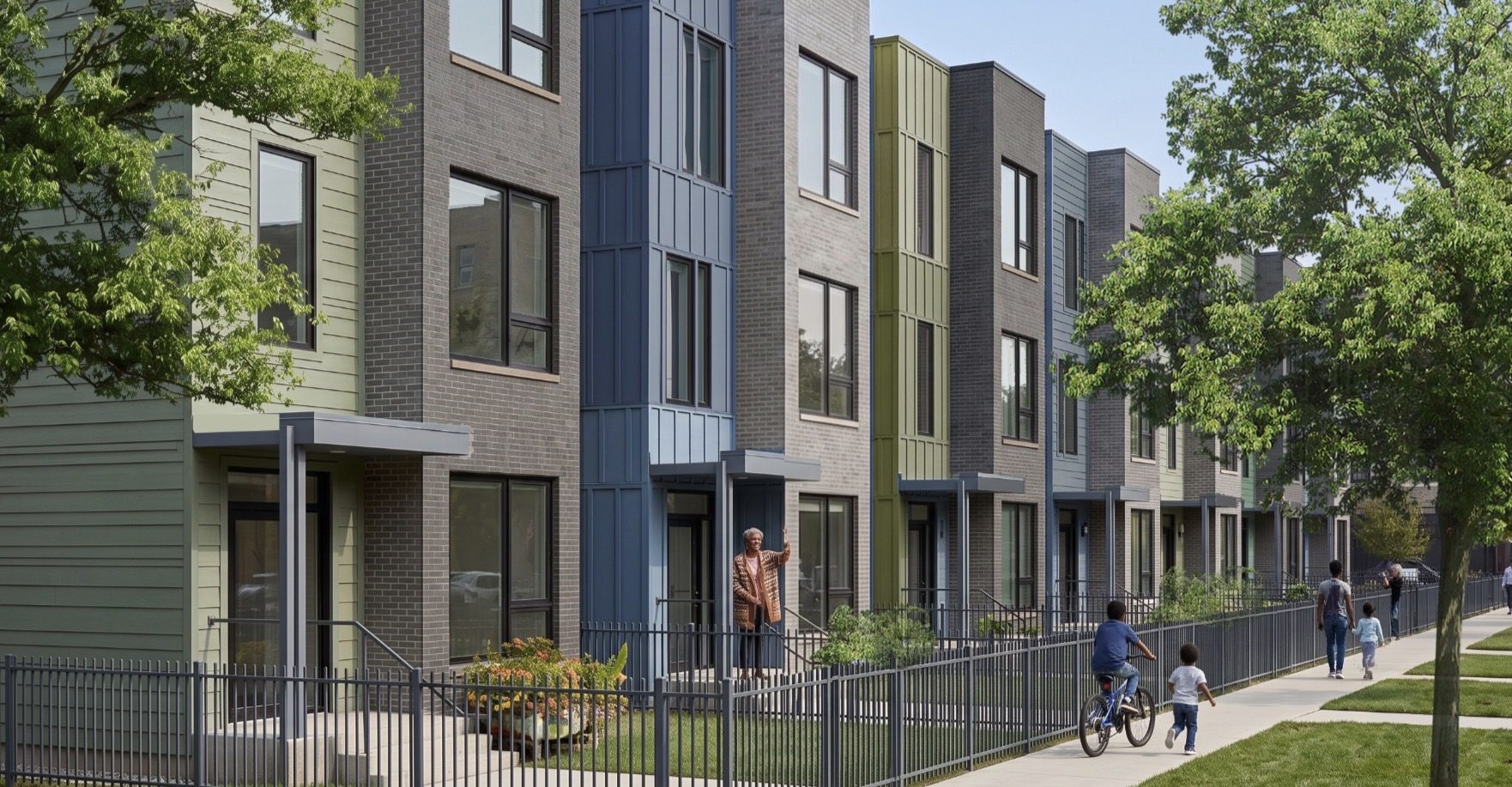
Seven deeds
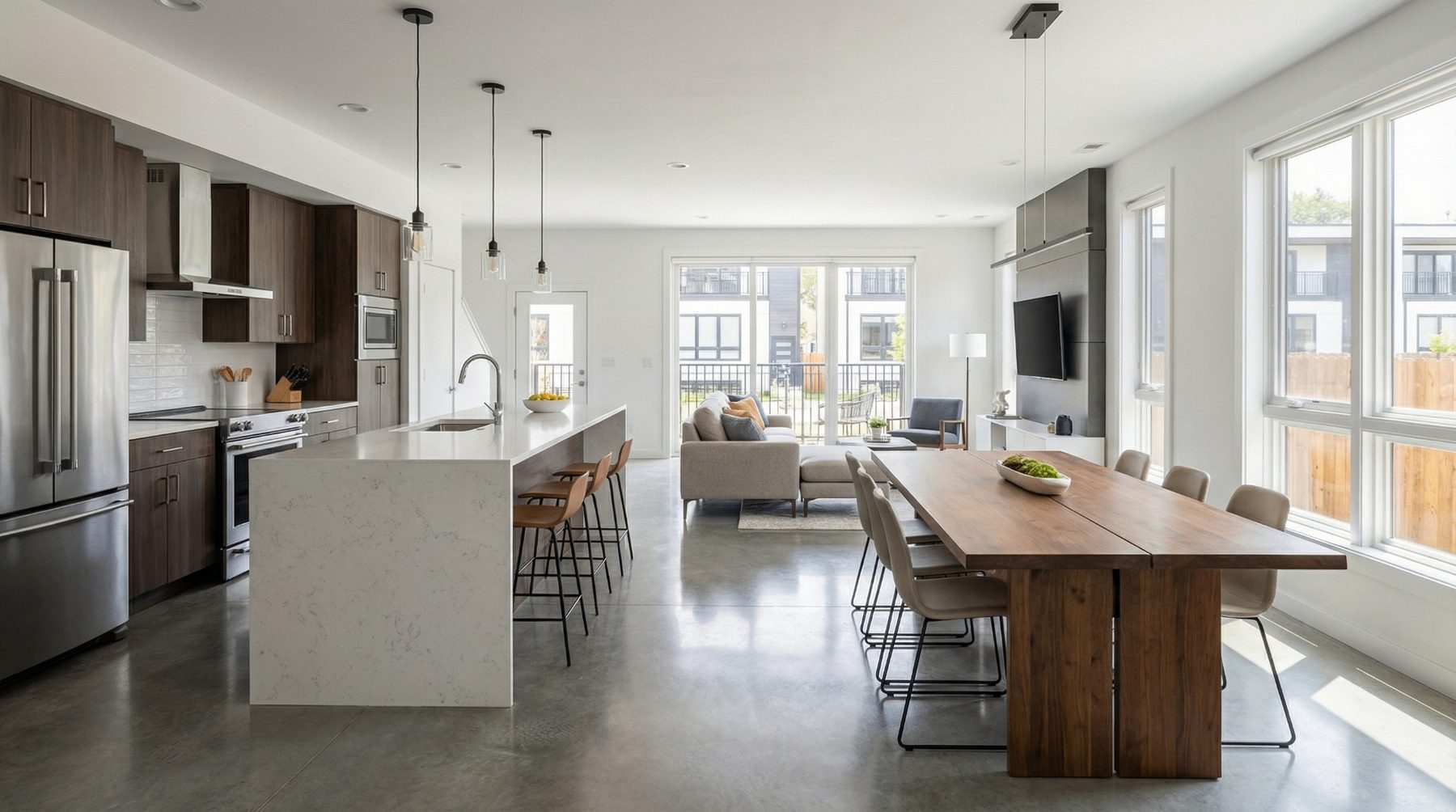
Along Pine Avenue, seven three-flat buildings would each be sold to one Austin family. The buyer lives in one unit and holds the other two as rental income, roughly $33,600 a year against the mortgage.
Each building is priced at about $860,000, close to 9% below comparable new-construction three-flats on the West Side. That is twenty-one homes, and seven households moving from renting into owning.
This is where generational wealth actually starts.
The ground floor
Most ground floors are speculative retail. This one is anchored by services Circle already runs, moving into purpose-built space and open to the neighborhood rather than only to residents.
The pantry relocates from the Circle campus into purpose-built space, expanding well beyond the 900 residents a month it reaches now.
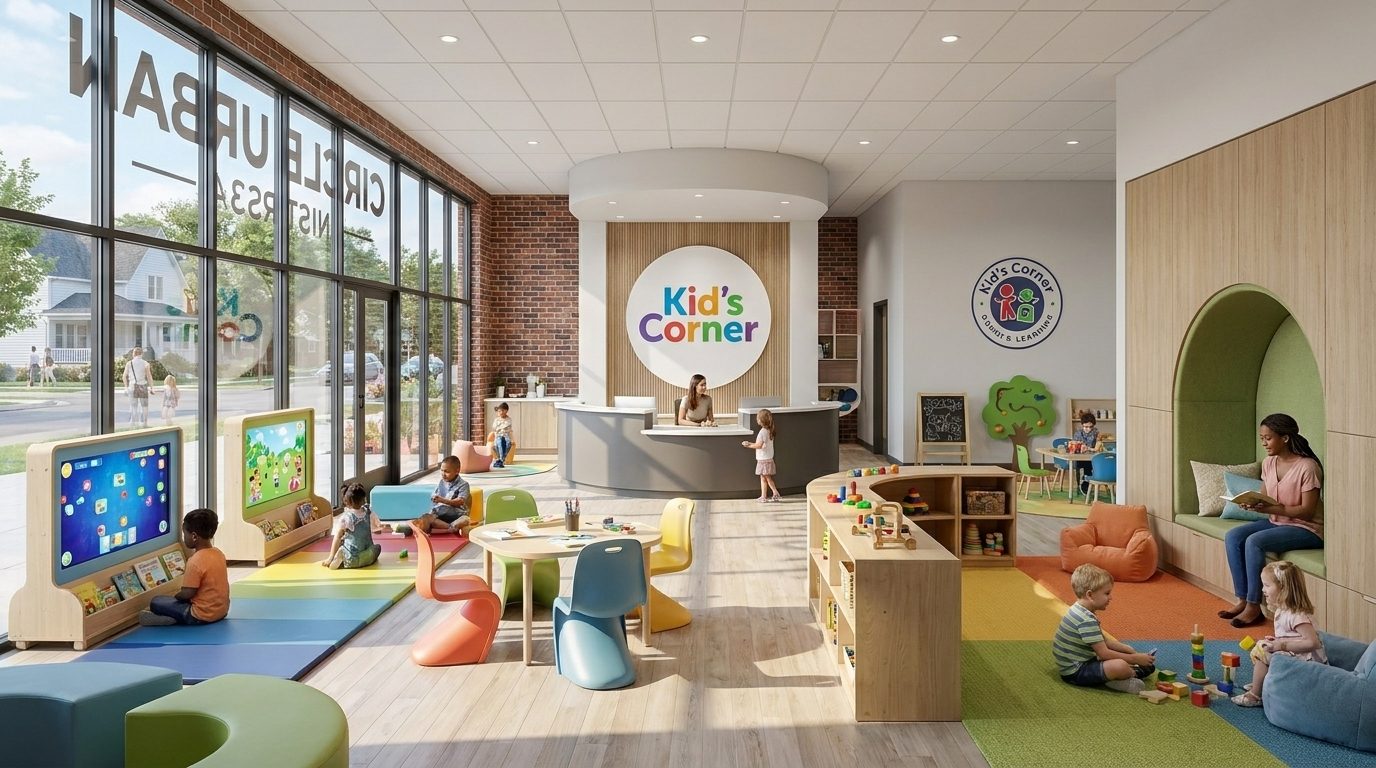
A licensed children's learning and play space with its own outdoor play area, alongside a multi-purpose community room.
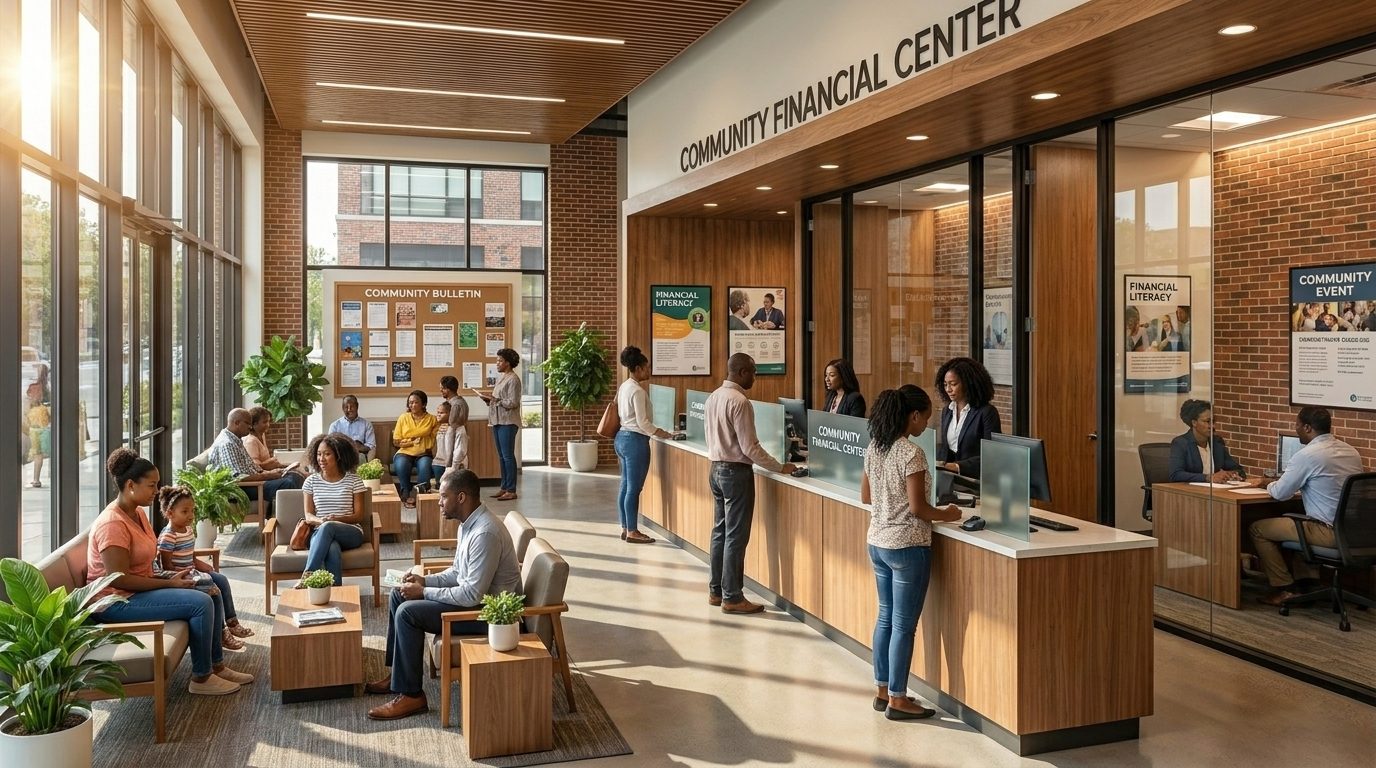
Financial education and resources for residents and the wider neighborhood. Austin is one of Chicago's most underbanked areas.
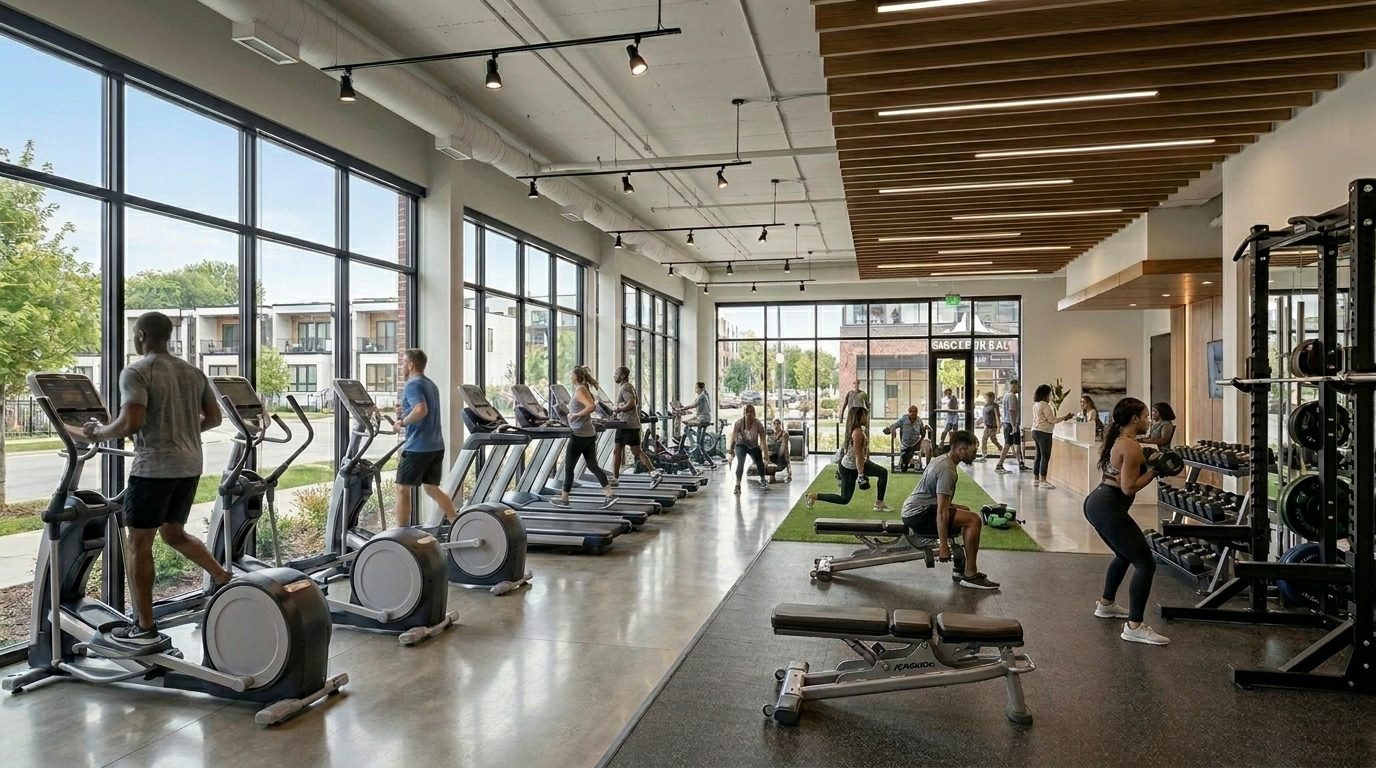
A fitness amenity for residents, plus a neighborhood café whose operator will be chosen through community-informed leasing.
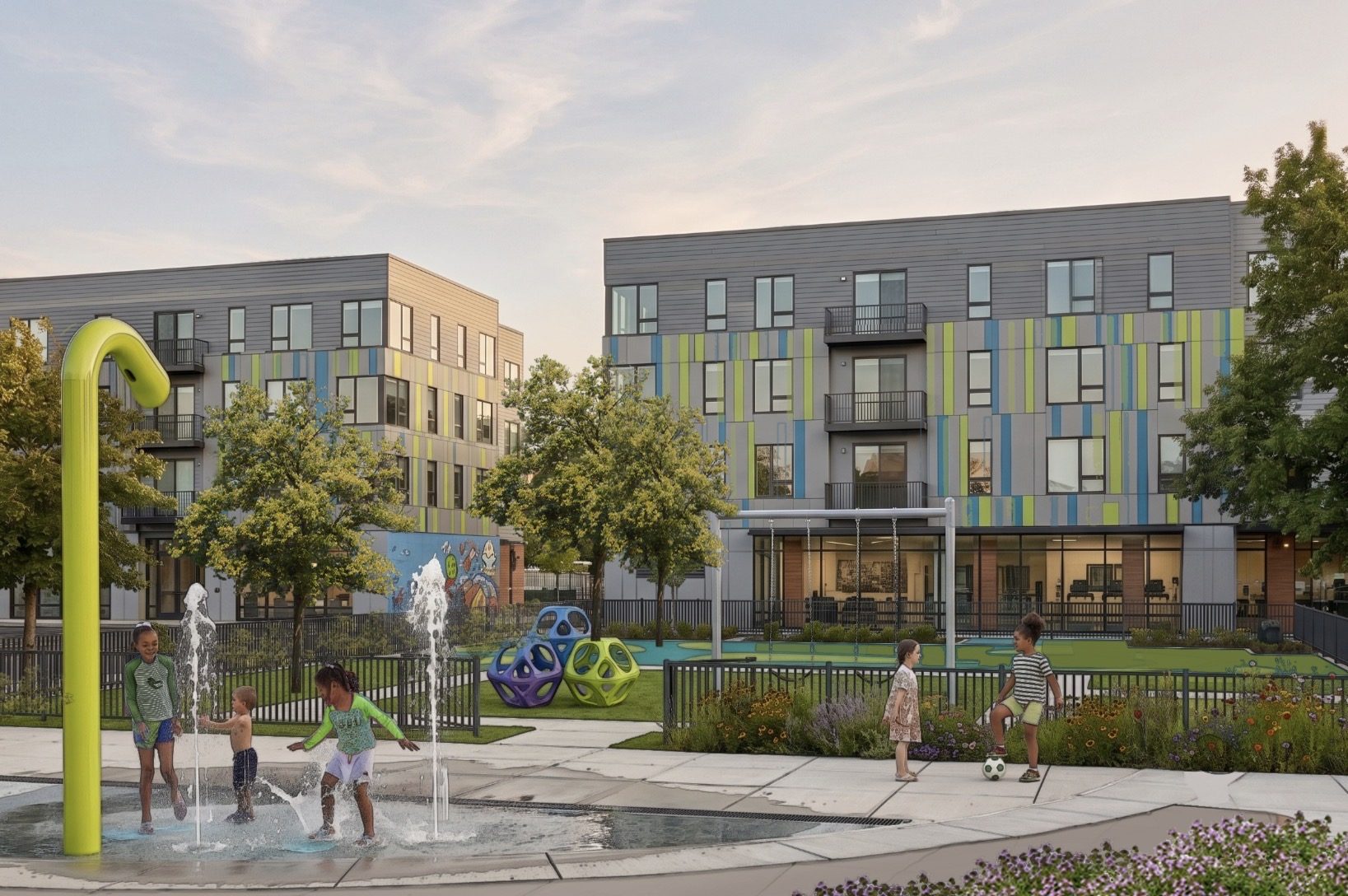
Outdoor space includes a splash pad open to residents and the surrounding community, a children’s play area, a walkway linking Washington Boulevard to the three-flats, and a permanent art wall commissioned from Austin-based artists.
Who asked for it
Working with the office of 37th Ward Alderman Emma Mitts, Circle held two community input meetings in May and June of 2026. More than a hundred residents came to each, more than two hundred in total. The second closed with a vote.
Residents wanted homes built for families, so the unit mix favors larger units. They wanted the three-flats to feel owned rather than rented, which shaped their ownership character and separated yards. And they wanted the ground floor to serve daily life, which is why it holds food, childcare, and financial literacy.
The plan looks the way it does because Austin residents drew it that way.
What it would mean for Austin
Reactivating 47 vacant parcels puts residents, activity, and tax revenue back on blocks that currently produce none.
temporary construction jobs projected
estimated total economic impact for the region
new residents expected in Austin
of surveyed residents supported the plan
two-thirds of them strongly
The Circle Collaborative
Circle leads the vision, the community engagement, and the long-term stewardship. The partners bring the affordable housing finance, construction, and design capacity a development this size needs.
Where this stands. The Circle Collaborative submitted its proposal to the City of Chicago on 30 June 2026. The images on this page are concept renderings. Unit counts, budgets, and programming are as proposed, and would be refined through predevelopment if the team is selected.
We are glad to walk anyone through it, from neighbors to funders to city partners.